
At a glance
Begin by choosing a valley rather than trying to cover every famous viewpoint. Gilgit is a useful base for onward travel, while Hunza draws visitors to Karimabad, terraced settlements and mountain views that shift throughout the day. Baltit Fort and Altit Fort offer an introduction to local history and architecture. Their surroundings are lived-in neighbourhoods, so walk gently, ask before photographing residents and make room for everyday village life.
In upper Hunza, Attabad Lake, Passu and the surrounding villages make a rewarding route when road conditions allow. The water and dramatic ridgelines are beautiful, but a roadside stop is not automatically a safe walking place. Use established access points, follow boat operators’ safety instructions and avoid unstable edges. Khunjerab is a high-altitude border area rather than an ordinary viewpoint; access, opening arrangements and traveller eligibility must be checked before setting out.
Baltistan has its own character, with Skardu serving as a gateway to Shigar, Khaplu and nearby lakes and valleys. Shigar Fort and Khaplu Palace help place the landscape in a human story of settlement, craftsmanship and regional exchange. Visits to Upper Kachura or other lakes work best with local advice about access and conditions. Deosai is a seasonal high plateau where cold, wind and rapid weather changes remain important even when lower valleys feel warm.
Food, language and hospitality vary across the region. Look for locally prepared dishes such as chapshuro in Hunza and traditional Balti cooking around Skardu, without assuming every household follows the same customs. Buy crafts directly from makers where possible, agree on guiding arrangements clearly and carry your rubbish back to a proper disposal point. A short walk with a knowledgeable local guide can reveal more than another long driving day.
Treat the road journey as part of the itinerary, not just a connection to finish quickly. Landslides, maintenance, snowfall and flight disruption can change plans. Build spare time into the end of the trip, avoid a tight connection after a mountain flight and ask locally about the next stretch of road. For trekking, remote valleys and border-adjacent areas, confirm permits, guide requirements and current official advisories before committing.
Top places to visit
Hunza (Karimabad)
Hunza Valley is a high mountain valley on the Karakoram Highway, known for Baltit and Altit forts in Karimabad and the turquoise Attabad Lake. It is surrounded by peaks including Rakaposhi and Ultar Sar.
Skardu
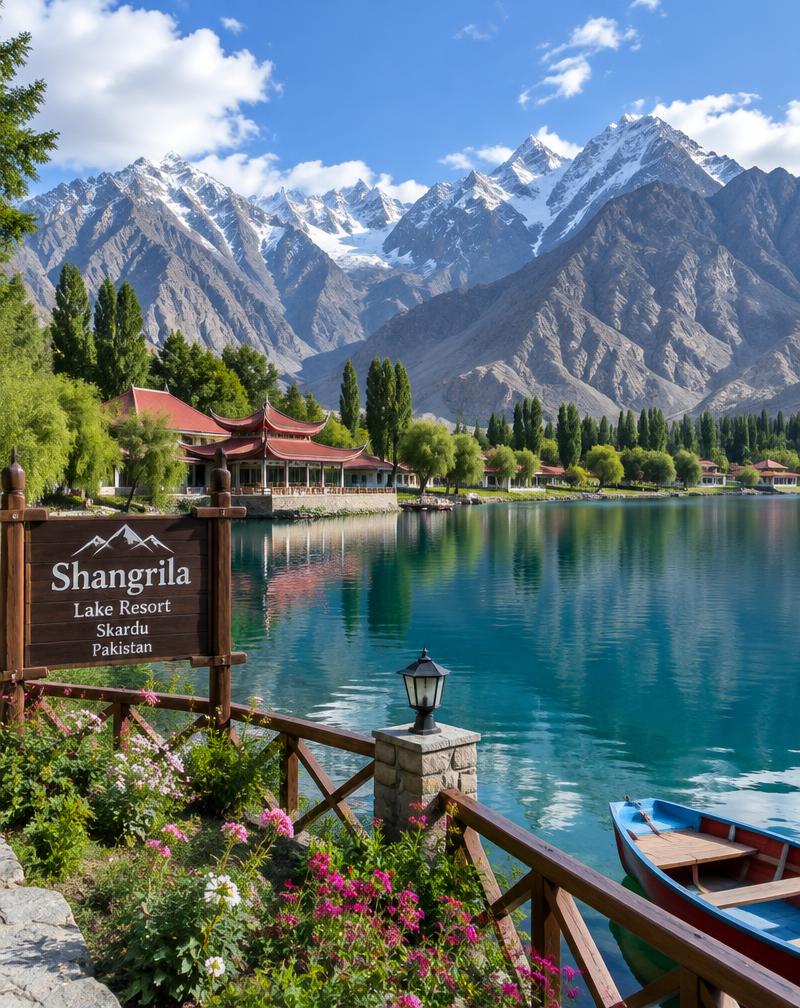
Skardu is the main town of Baltistan and a gateway to the Karakoram's highest peaks. Nearby are the Kachura lakes, including Shangrila, and the historic town of Shigar.
Fairy Meadows
Fairy Meadows is an alpine meadow facing the Rakhiot face of Nanga Parbat, the world's ninth-highest mountain. Access is by jeep track and a hike, and accommodation is simple.
Deosai Plains
Deosai is a high-altitude plateau and national park between Skardu and Astore. It is covered in wildflowers in summer and is home to the Himalayan brown bear.
Khunjerab Pass
Khunjerab Pass is the high mountain border crossing between Pakistan and China on the Karakoram Highway. It lies within Khunjerab National Park.
Khaplu
Khaplu is a town in the Ghanche district of Gilgit-Baltistan along the Shyok River. It is known for the restored Khaplu Palace and the Chaqchan Mosque.
Gilgit
Gilgit is the capital of Gilgit-Baltistan and a hub on the Karakoram Highway. It is a common base for trips to Hunza, Skardu and Fairy Meadows.
Where to stay
No available stays are listed for these dates yet. Choose a city to search different dates.
Gilgit Serena Hotel
Gilgit
Not yet bookableSost Serena Hotel
Sost
Not yet bookableSerena Shigar Fort
Shigar
Not yet bookableFairy Meadows Cottages
Fairy Meadows
Not yet bookableNorthInn Hotel Fairy Meadows
Fairy Meadows
Not yet bookableRaikot Sarai
Fairy Meadows
Not yet bookableRoomy Yurts Osho Thang
Minapin
Not yet bookableHotel Mashabrum
Skardu
Not yet bookableKinara Resorts
Skardu
Not yet bookableMount View Hotel Skardu
Skardu
Not yet bookablePC Legacy Skardu
Skardu
Not yet bookableShangrila Resort Skardu
Skardu
Not yet bookableBest time to visit
May to October is generally the main visiting window for northern valleys; this is guidance, not a promise of open roads or clear skies.
High passes and plateau routes commonly close in winter. Spring and autumn can also bring snow at elevation; check the exact route rather than relying on the calendar.
Getting there
Gilgit and Skardu can be reached by air from available domestic gateways, subject to schedules and mountain weather. Reconfirm services and allow a road alternative only when safe.
Road journeys from Islamabad and other northern gateways require current checks on the chosen highway. Arrange experienced local transport for side valleys and avoid unnecessary night driving.
Travel tips
Ascend gradually, drink water and take altitude symptoms seriously; worsening symptoms call for descent and medical help.
Carry layers, sun protection, necessary medicines and some cash. Mobile coverage and payment facilities can be limited away from towns.
Check official travel advice and local permit rules, especially for border areas, restricted zones and organised treks.
Foreign visitors: some border areas may require permits. Check current travel advisories and entry requirements before travelling.
Travel safety guidanceYour questions, answered
Sources
Last reviewed: