
At a glance
Lahore rewards wandering with a loose plan. The Walled City, Lahore Fort, Badshahi Mosque and Wazir Khan Mosque reveal different aspects of architecture, worship and neighbourhood life. Start early when conditions allow, wear comfortable shoes and pause in the shade instead of turning the old city into an endurance walk. Some spaces have separate visiting arrangements, conservation work or prayer-time restrictions, so confirm access and follow the staff’s directions.
Beyond the old city, Shalimar Gardens and Lahore Museum offer different rhythms: one outdoors among garden structures, the other through collections that help connect regional histories. Food is an important part of a Lahore visit, but choose busy, clean places and ask about ingredients if you have dietary requirements. A favourite dish can vary from kitchen to kitchen. Leave room for ordinary streets and local recommendations rather than only chasing famous names.
The Potohar region adds a contrasting chapter. Taxila’s museum and archaeological sites introduce ancient religious and urban landscapes, while Rohtas Fort near Jhelum presents a different period of defensive architecture. These are not interchangeable stops: give each site enough attention to understand its setting. Carry water for exposed areas, avoid climbing unsafe walls and check which sections are accessible. A local guide can help explain details that are easy to miss.
In southern Punjab, Multan is known for its shrine architecture and craft traditions, including the surroundings of Shah Rukn-e-Alam’s mausoleum. Bahawalpur opens a different story through buildings such as Noor Mahal and excursions toward Cholistan and Derawar Fort. Confirm access before travelling to individual properties or remote sites. Shrine visits require modest dress and sensitivity to worshippers; desert excursions need reliable transport, local knowledge and a plan for heat and changing conditions.
Responsible travel here is mostly a matter of attention. Ask before photographing people, dress with consideration for the setting and follow instructions at religious, archaeological and protected places. Carry drinking water and necessary medicines, keep your waste until proper disposal is available, and support local guides and craftspeople through clear, respectful arrangements. Before leaving a main town, reconfirm the next road, overnight stop and any permissions; conditions can change after an itinerary has been booked.
Top places to visit
Murree
Murree and the Galiyat are pine-covered hill stations in the hills north of Islamabad. Nathia Gali and Bhurban are popular quieter spots nearby.
Lahore
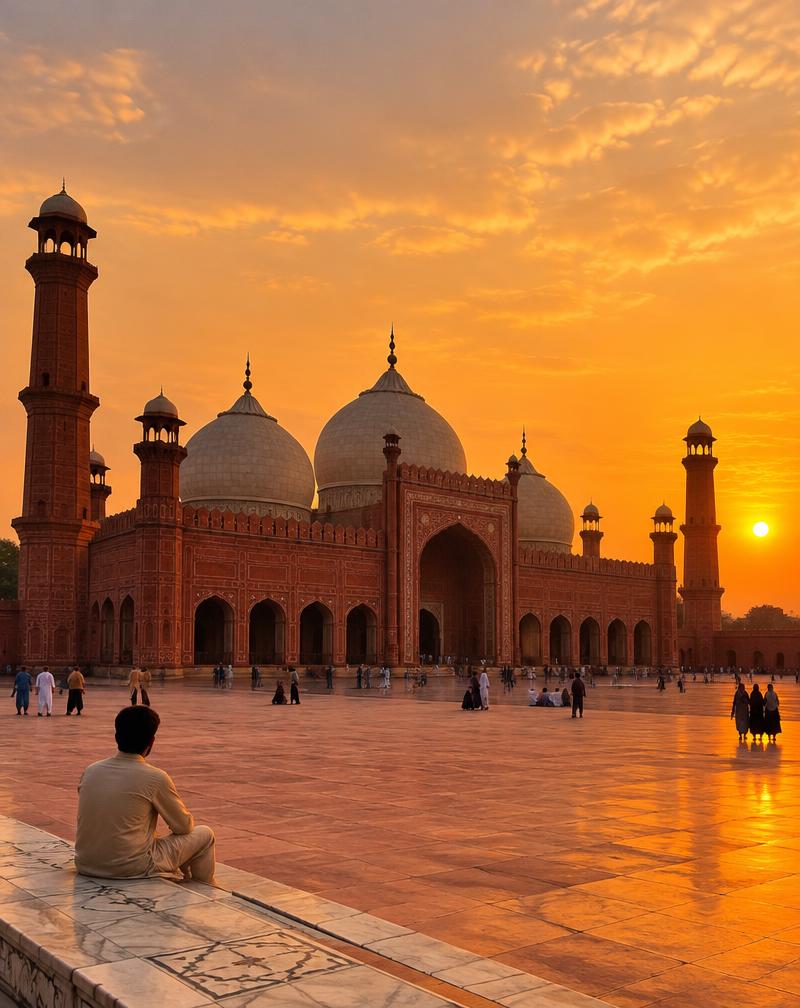
Lahore is the capital of Punjab and a centre of Mughal heritage, food and culture. Landmarks include the Badshahi Mosque, Lahore Fort and the Walled City.
Taxila
Taxila near Islamabad holds Gandhara-era Buddhist ruins and a museum. Its archaeological sites are a UNESCO World Heritage Site.
Multan
Multan in southern Punjab is known as the city of saints for its Sufi shrines. It is also known for blue pottery and mangoes.
Bahawalpur
Bahawalpur in southern Punjab is known for its Nawabi palaces and the Cholistan Desert. Derawar Fort stands in the desert south of the city.
Where to stay
No available stays are listed for these dates yet. Choose a city to search different dates.
Cecil Hotel by Pearl Continental
Murree
Not yet bookableHotel One Bhurban
Murree
Not yet bookableLockwood Hotel Murree
Murree
Not yet bookablePearl Continental Hotel Bhurban
Murree
Not yet bookableThe Roomy Lodge
Murree
Not yet bookableAvari Lahore
Lahore
Not yet bookableAvari Xpress Gulberg
Lahore
Not yet bookableEastern Lodge Guest House Lahore
Lahore
Not yet bookableFaletti's Hotel
Lahore
Not yet bookableHotel One The Mall Lahore
Lahore
Not yet bookableLuxus Grand Hotel
Lahore
Not yet bookablePark Lane Hotel Lahore
Lahore
Not yet bookableBest time to visit
Cooler months are generally more comfortable for Lahore, Taxila and other outdoor heritage visits; fog can affect winter travel.
October to March is broad guidance for southern Punjab and Cholistan, not a guarantee of mild conditions. Check heat, dust and local forecasts.
Getting there
Lahore, Multan and other major cities have road connections and available air or rail options. Confirm current routes, station arrangements and schedules.
Use local transport or a reputable driver for heritage circuits; remote desert excursions need arrangements beyond a normal city transfer.
Travel tips
Carry identification and any required permits; check current official advisories, including rules for border-adjacent or restricted areas.
Ask before photographing people, follow local dress expectations and keep religious visits considerate of worshippers.
Carry water, necessary medicines and some cash. Check accessibility, toilets and communication options before visiting remote places.
Foreign visitors: some border areas may require permits. Check current travel advisories and entry requirements before travelling.
Travel safety guidanceYour questions, answered
Sources
Last reviewed: