
At a glance
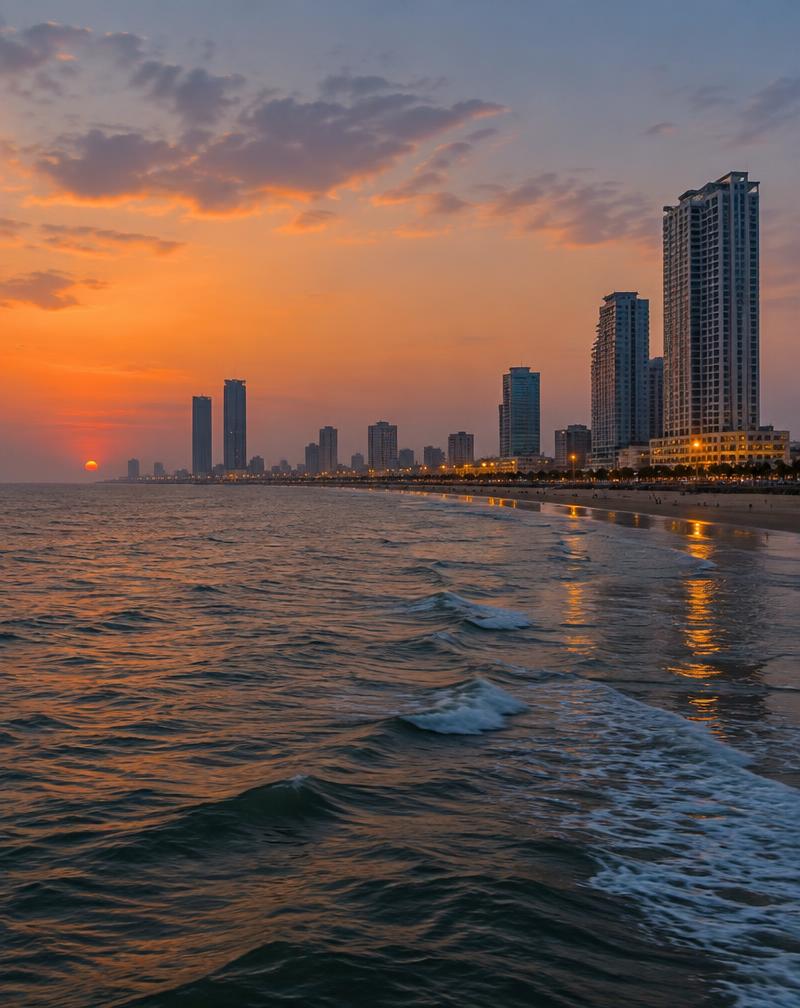
Karachi is best approached as a collection of neighbourhoods rather than a single sightseeing circuit. Mazar-e-Quaid, Frere Hall and the old commercial streets around Saddar reveal different chapters of the city. Museum visits can add context before you travel inland. Allow for traffic, confirm opening arrangements and avoid packing too many appointments into one day. A seaside walk can be a welcome pause, but sea conditions and local restrictions should shape any beach outing.
Thatta brings architectural and historical depth through Shah Jahan Mosque and the Makli necropolis. Look closely at brickwork, carved stone and the relationship between monuments and their surroundings, rather than rushing between photographs. Makli is an exposed heritage landscape where water, sun protection and respectful footwear matter. Do not climb tombs, touch delicate carvings unnecessarily or treat burial places as a stage. Local interpretation can help distinguish the stories of different monuments.
Mohenjo-daro offers an encounter with the remains of an ancient urban settlement, not a reconstructed city with every question answered. Follow marked routes and conservation instructions, and use the museum or a qualified guide to understand the site without inventing certainty about the past. Larkana can support a visit, while Hyderabad and Bhit Shah offer other cultural routes. At the shrine of Shah Abdul Latif Bhittai, remember that music, devotion and everyday worship belong first to the community.
Thar adds desert settlements, craft traditions and religious diversity to the wider journey. Mithi, Islamkot and Nagarparkar are distinct places rather than interchangeable desert stops. Ask before entering religious buildings or photographing residents, and buy handmade work with attention to who produced it. Rural and border-adjacent routes require fresh access checks and reliable local advice. Rain can transform the landscape, but it can also disrupt roads; greenery alone is not a signal that travelling conditions are straightforward.
Responsible travel here is mostly a matter of attention. Ask before photographing people, dress with consideration for the setting and follow instructions at religious, archaeological and protected places. Carry drinking water and necessary medicines, keep your waste until proper disposal is available, and support local guides and craftspeople through clear, respectful arrangements. Before leaving a main town, reconfirm the next road, overnight stop and any permissions; conditions can change after an itinerary has been booked.
Top places to visit
Where to stay
No available stays are listed for these dates yet. Choose a city to search different dates.
Hotel Indus
Hyderabad
Not yet bookablePC Legacy Hyderabad
Hyderabad
Not yet bookableAvari Towers Karachi
Karachi
Not yet bookableBeach Luxury Hotel
Karachi
Not yet bookableKarachi Marriott Hotel
Karachi
Not yet bookableMövenpick Hotel Karachi
Karachi
Not yet bookablePearl Continental Hotel Karachi
Karachi
Not yet bookableRamada by Wyndham Karachi Creek
Karachi
Not yet bookableRamada Plaza by Wyndham Karachi Airport Hotel
Karachi
Not yet bookableBest time to visit
October to March is generally a useful window for Sindh’s city, heritage and desert visits; this is guidance rather than a weather guarantee.
Summer heat can make exposed sites demanding. Monsoon conditions may affect roads and coastal outings; check local forecasts and warnings.
Getting there
Karachi is a major arrival point with available air, rail and road connections. Hyderabad and other inland cities can serve as onward bases depending on your route.
Arrange reliable transport for Makli, Mohenjo-daro or Thar, and confirm site access separately from the journey itself. Avoid assuming public connections reach every entrance.
Travel tips
Carry identification and any required permits; check current official advisories, including rules for border-adjacent or restricted areas.
Ask before photographing people, follow local dress expectations and keep religious visits considerate of worshippers.
Carry water, necessary medicines and some cash. Check accessibility, toilets and communication options before visiting remote places.
Foreign visitors: some border areas may require permits. Check current travel advisories and entry requirements before travelling.
Travel safety guidanceYour questions, answered
Sources
Last reviewed: