
At a glance
Pakistan’s sacred places include active mosques, shrines, gurdwaras, temples, churches and archaeological settings associated with religious traditions. Approach them as places of belief and community before treating them as attractions. A worthwhile visit depends on permission, attentive behaviour and a willingness to change plans when worship or local arrangements take priority.
Choose a small number of places and learn their basic context before arrival. Active worship differs from a museum visit: people may be praying, grieving, volunteering or seeking privacy. Keep conversation quiet, avoid blocking movement and allow residents and worshippers to set the tone rather than staging your own experience.
Festivals and observances can offer important cultural context but also bring crowds, altered access and additional security. A quieter day may be more suitable for a first visit. Ask whether visitors of your background may enter and whether particular spaces have different rules; do not assume a general welcome applies to every area.
Top places to visit
Lahore
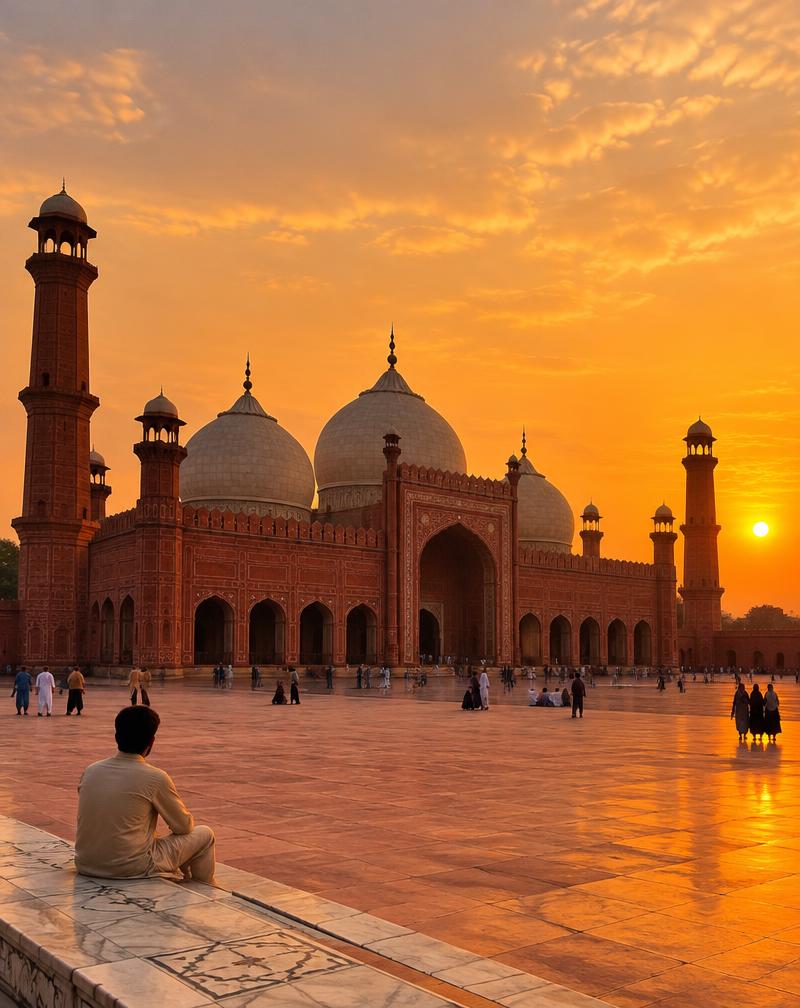
Lahore is the capital of Punjab and a centre of Mughal heritage, food and culture. Landmarks include the Badshahi Mosque, Lahore Fort and the Walled City.
Islamabad
Islamabad is Pakistan's capital, set against the Margalla Hills. It is known for the Faisal Mosque, hiking trails and the Pakistan Monument.
Karachi
Karachi is Pakistan's largest city and main port on the Arabian Sea. Visitors come for its beaches, food streets and Quaid-e-Azam's mausoleum.
Multan
Multan in southern Punjab is known as the city of saints for its Sufi shrines. It is also known for blue pottery and mangoes.
Peshawar
Peshawar is the capital of Khyber Pakhtunkhwa and one of South Asia's oldest cities. The Qissa Khwani Bazaar and the walled old city are well known.
How to plan
Contact site management or a reliable local organiser about visitor hours, clothing, head coverings, footwear, identification and photography. Ask separately about participation in meals, ceremonies or community activities. If a northern itinerary includes sacred sites, May to October is a general travel window, while high passes commonly face winter closures and local conditions still govern access.
Check current official advisories and any route restrictions. Border-area religious visits may involve specific permits, registration or other authorisation, especially for foreign visitors. Confirm eligibility and procedures with the relevant authorities well before travel. Do not confuse permission to approach an area with permission to enter a particular religious site.
What to pack
Bring modest clothing that covers appropriately for the place, with a clean scarf or head covering if required. Choose footwear that is easy to remove where instructed and consider a bag for carrying it if permitted. Requirements vary, so ask rather than relying on a single rule for every faith or community.
Carry essential identification and any confirmed permissions, keeping copies separately. A small bag makes security checks easier, but check prohibited items and storage arrangements first. Bring water where allowed and keep essential medication accessible. Leave bulky photography equipment behind unless specifically approved, and remember that a phone camera is still subject to photography restrictions.
Travel safety
Follow staff and security instructions, observe barriers and never enter an area reserved for worshippers or another group without permission. Ask before photographing people, ritual objects or ceremonies. Do not touch sacred objects, interrupt prayer or imitate a ritual for a picture. If unsure, step back and ask a designated attendant quietly.
In crowded gatherings, agree a meeting point with companions and identify exits without obstructing them. Keep children close and avoid pushing toward a procession or restricted doorway. Decline unwanted services politely and use clearly identified donation arrangements if you wish to contribute. Do not hand over documents to unofficial intermediaries promising guaranteed entry.
Foreign visitors: some border areas may require permits. Check current travel advisories and entry requirements before travelling.
Travel safety guidanceYour questions, answered
Sources
Last reviewed: