
At a glance
Pakistan’s heritage is best approached as a conversation between places and the people who care for them. Archaeological remains, historic neighbourhoods, gardens, forts and craft traditions offer different perspectives. A thoughtful itinerary gives each setting time instead of turning a long list of monuments into a hurried checklist.
Combine major sites with smaller museums, walking routes and workshops where visitors are welcome. The surrounding town can explain how a place continues to function, but residential lanes are not open-air exhibits. Keep doorways clear, avoid intrusive photography and ask before entering courtyards, shops or working spaces.
Choose comfortable walking periods around the season. In hot weather, start with exposed sites early and leave indoor visits for later, checking opening arrangements first. Rain can make old paving slippery or affect access. If a heritage journey extends into the north, May to October is a general window; high passes commonly close in winter.
Top places to visit
Swat (Mingora)
Swat Valley in Khyber Pakhtunkhwa is known for its rivers, forests and Buddhist heritage sites. Kalam lies in the upper valley and Malam Jabba is a ski area.
Chitral
Chitral is a mountain district in northern Khyber Pakhtunkhwa beneath Tirich Mir. The nearby Kalash valleys of Bumburet, Rumbur and Birir are home to the Kalash people.
Lahore
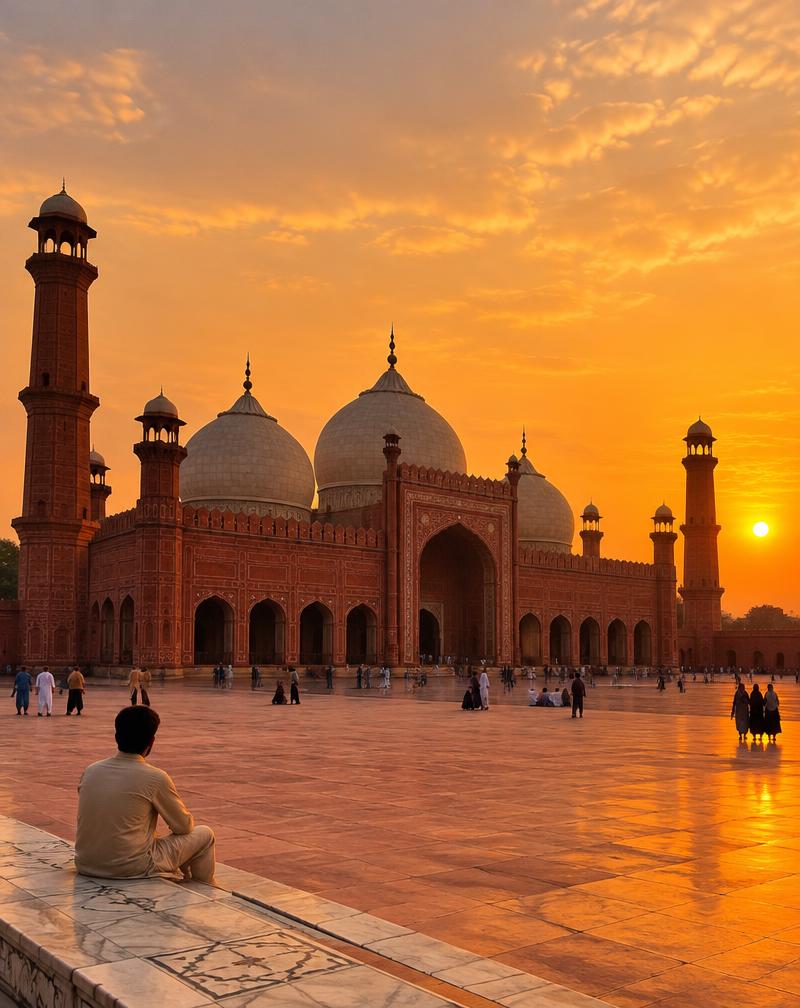
Lahore is the capital of Punjab and a centre of Mughal heritage, food and culture. Landmarks include the Badshahi Mosque, Lahore Fort and the Walled City.
Karachi
Karachi is Pakistan's largest city and main port on the Arabian Sea. Visitors come for its beaches, food streets and Quaid-e-Azam's mausoleum.
Mohenjo-daro
Mohenjo-daro is the archaeological site of a major Indus Valley Civilisation city in Sindh. It is a UNESCO World Heritage Site.
Taxila
Taxila near Islamabad holds Gandhara-era Buddhist ruins and a museum. Its archaeological sites are a UNESCO World Heritage Site.
Multan
Multan in southern Punjab is known as the city of saints for its Sufi shrines. It is also known for blue pottery and mangoes.
Peshawar
Peshawar is the capital of Khyber Pakhtunkhwa and one of South Asia's oldest cities. The Qissa Khwani Bazaar and the walled old city are well known.
Ziarat
Ziarat is a hill station in Balochistan known for its ancient juniper forests. The Quaid-e-Azam Residency is located here.
Khaplu
Khaplu is a town in the Ghanche district of Gilgit-Baltistan along the Shyok River. It is known for the restored Khaplu Palace and the Chaqchan Mosque.
Bahawalpur
Bahawalpur in southern Punjab is known for its Nawabi palaces and the Cholistan Desert. Derawar Fort stands in the desert south of the city.
Gilgit
Gilgit is the capital of Gilgit-Baltistan and a hub on the Karakoram Highway. It is a common base for trips to Hunza, Skardu and Fairy Meadows.
How to plan
Check opening days, conservation closures, photography rules and guide arrangements directly with site management. Public holidays and religious observances can alter access. Do not assume that an exterior, museum interior and adjoining place of worship share the same rules. Build an alternative visit into the day in case a section is closed.
Review official travel advisories and route conditions. Some border districts and restricted areas require permits or authorisation, particularly for foreign visitors; confirm with the responsible authorities before travelling. For guided visits, agree the scope, language, meeting point and payment terms clearly, and ask whether specialist interpretation is available when that matters to you.
What to pack
Wear comfortable footwear suitable for uneven paving, dusty paths and steps. Bring sun protection, water and modest layers that can also serve at an active religious site. A small bag is easier in narrow spaces, but check storage restrictions before arrival. Carry essential identification and keep document copies separate.
Bring a notebook or download background reading so the visit does not depend on connectivity. If taking photographs, carry a spare battery rather than leaning equipment against historic surfaces. Confirm whether tripods or professional equipment need permission. Pack purchases so fragile craftwork travels safely, without using archaeological fragments or old architectural material as souvenirs.
Travel safety
Do not climb walls, sit on delicate masonry, touch painted surfaces or cross conservation barriers for a better photograph. Weathered remains can be unstable even when they look solid. Follow marked routes and staff advice, particularly around excavations, stairs and unprotected edges. Children should understand that ruins are not climbing playgrounds.
In busy markets, keep valuables secure and pause somewhere sheltered before checking maps. Ask artisans before photographing their work, negotiate purchases courteously and avoid claiming an object is antique without reliable provenance. Never remove objects from a site. Treat contested histories respectfully and avoid turning conversations about identity or belief into arguments.
Foreign visitors: some border areas may require permits. Check current travel advisories and entry requirements before travelling.
Travel safety guidanceYour questions, answered
Sources
Last reviewed: