
At a glance
A lake journey works best when it leaves room to sit, walk and notice the landscape rather than treating the water as a quick photograph stop. Pakistan’s lakes differ greatly: some have road access, while others require demanding mountain approaches and independent preparation.
For northern lake trips, May to October is a broad planning window, not a guarantee of open access. Higher lakes can remain affected by snow, and high passes commonly close in winter. Ask about the approach itself, including the final track or walking section, rather than only the weather in the nearest town.
Lake colour, water level and reflections change with season, rainfall, cloud and wind. Plan for the landscape you find instead of expecting a particular image. Lower-elevation lakes and wetlands follow different seasonal patterns; ask locally about heat, bird activity and any conservation restrictions before scheduling a visit.
Top places to visit
Hunza (Karimabad)
Hunza Valley is a high mountain valley on the Karakoram Highway, known for Baltit and Altit forts in Karimabad and the turquoise Attabad Lake. It is surrounded by peaks including Rakaposhi and Ultar Sar.
Skardu
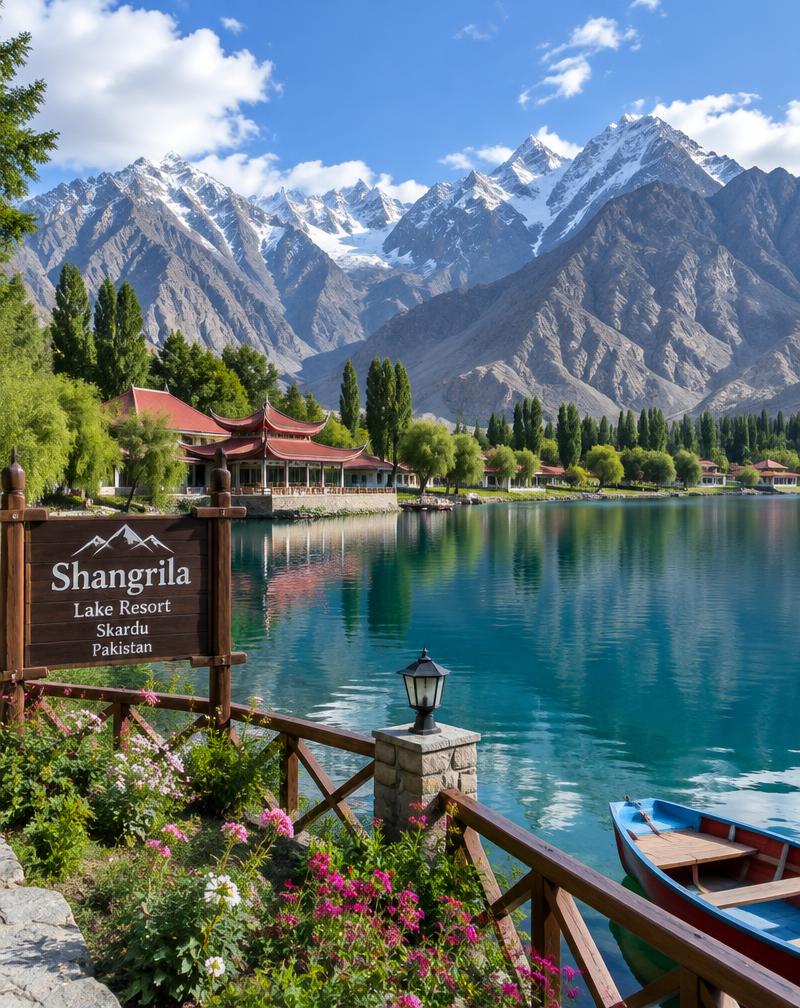
Skardu is the main town of Baltistan and a gateway to the Karakoram's highest peaks. Nearby are the Kachura lakes, including Shangrila, and the historic town of Shigar.
Naran
Naran is the main town of the Kaghan Valley along the Kunhar River in Khyber Pakhtunkhwa. Lake Saiful Muluk lies a short jeep ride above the town.
Neelum Valley
Neelum Valley in Azad Jammu and Kashmir follows the Neelum River through forested mountains. Villages such as Keran, Sharda and Arang Kel are popular stops.
Deosai Plains
Deosai is a high-altitude plateau and national park between Skardu and Astore. It is covered in wildflowers in summer and is home to the Himalayan brown bear.
Ratti Gali
Ratti Gali is a high glacial lake in the Neelum Valley of Azad Jammu and Kashmir. It is reached by jeep and a short hike from Dowarian.
How to plan
Check official travel advisories and current local access information. Routes near borders or inside restricted areas may require permits or other authorisation, particularly for foreign visitors. Confirm requirements with the responsible authorities and ask whether any protected-area rules affect walking, camping, fishing or boats. Permission for one activity does not automatically cover another.
Choose one main lake outing each day and allow time for road delays or a slower return walk. Confirm toilets, drinking water, shelter and waste disposal instead of assuming facilities exist. If hiring a boat, ask about conditions, operator experience and properly fitting life jackets before boarding; be willing to decline.
What to pack
Carry a windproof or waterproof layer, sun protection, sturdy shoes and spare warm clothing for high locations. A picnic mat should go only on durable ground away from fragile vegetation. Bring drinking water or a reliable treatment method, snacks and bags that allow you to carry every piece of rubbish back.
Protect your phone and documents from splashes, and keep medication accessible. Binoculars can make wildlife watching more rewarding without approaching nests. If camping is allowed, arrange suitable shelter and a toilet plan beforehand. Use existing appropriate campsites where possible and avoid detergents, soap or food scraps entering the water.
Travel safety
Do not judge swimming safety by clear water or a calm surface. Mountain lakes can be dangerously cold, with sudden depth changes and difficult exits. Avoid swimming unless local rules permit it and conditions, supervision and your abilities make it appropriate. Children need close, active supervision beside any shoreline.
Keep away from crumbling banks, slippery rocks, unstable snow and stream outlets. Turn back if storms develop or water crossings become unsafe. Avoid feeding birds or chasing animals for photographs. Do not light fires on sensitive shores, and never leave glass, fishing line or disposable packaging behind.
Foreign visitors: some border areas may require permits. Check current travel advisories and entry requirements before travelling.
Travel safety guidanceYour questions, answered
Sources
Last reviewed: